LVP, Laminate and Hardwood Flooring in Klamath Falls
If you’re planning new floors in Klamath Falls, you want a floor that looks good, holds up to daily use, and fits the room — including the wet boots, snow, and temperature swings we get in the Klamath Basin. Along with the tile work we’re known for, Tile Oregon LLC also installs luxury vinyl plank (LVP), laminate, and hardwood flooring for homes in Klamath Falls and the Klamath Basin.
Owner David Paxton has been installing tile in the Klamath Basin since 2014 and founded Tile Oregon LLC in 2022. Before starting the company, he also installed flooring alongside tile. Tile Oregon is now offering LVP, laminate, and hardwood installation again, along with the custom tile showers, bathroom remodels, and other tile work we’re known for. We’re licensed in Oregon (CCB #240864), bonded and insured, and a member of the National Tile Contractors Association (NTCA). Estimates are free. Hours are Monday–Friday, 7 AM–5 PM. Call or text 541-281-5566.
Luxury vinyl plank (LVP)
LVP is a waterproof plank floor with a realistic wood look, without the grout lines of tile. Because the planks themselves don’t absorb water, LVP is a practical choice for kitchens, bathrooms, basements, mudrooms, and rental properties — rooms that see spills, tracked-in snow, or changes in humidity. In a freeze-thaw climate like Klamath Falls, that matters at entries and in rooms that get wet in winter.
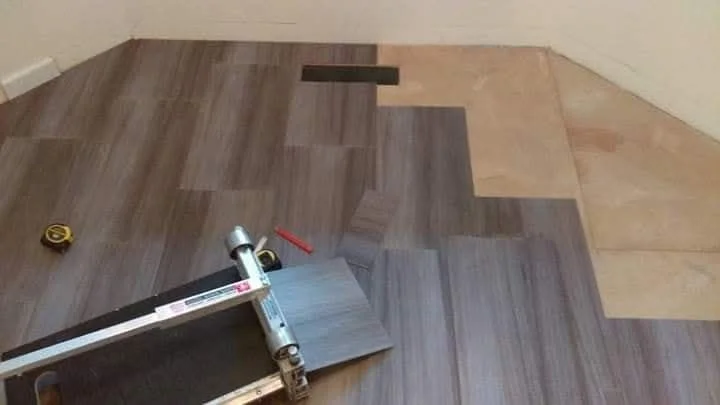
We’ll look at the room during the estimate, help you think through whether LVP is a good fit, and install it the way the product is meant to go down. A good LVP floor still depends on a sound, flat subfloor and clean transitions at doorways and changes of material.
Laminate flooring
Laminate is a good option for drier living spaces — bedrooms, hallways, and living rooms — when you want a wood-look floor at a different price point than LVP, hardwood, or tile. It is generally more sensitive to standing water than LVP, so it is usually not the first choice for bathrooms, laundry rooms, or below-grade spaces that can get damp. If you’re deciding between laminate, LVP, and hardwood, we’ll talk through how you use the room and help you pick the better product for that space.
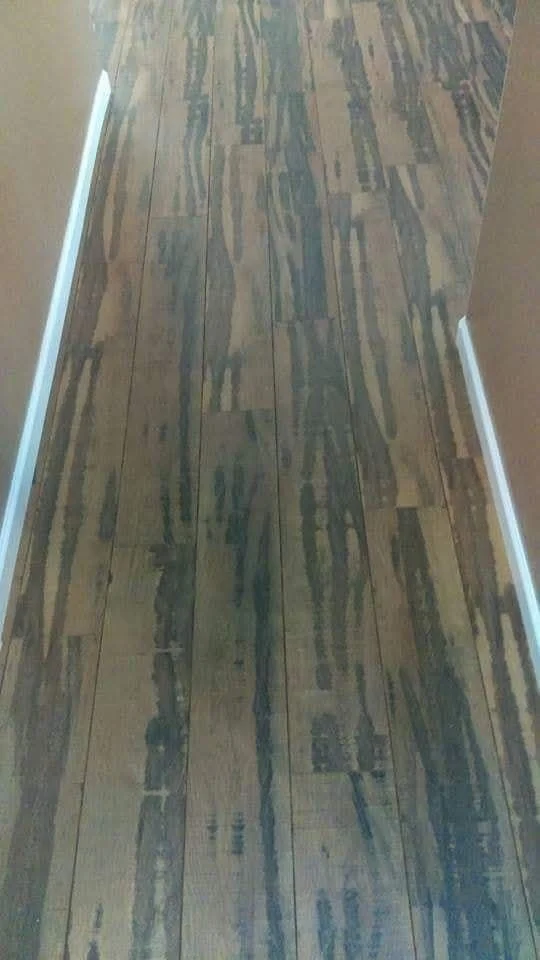
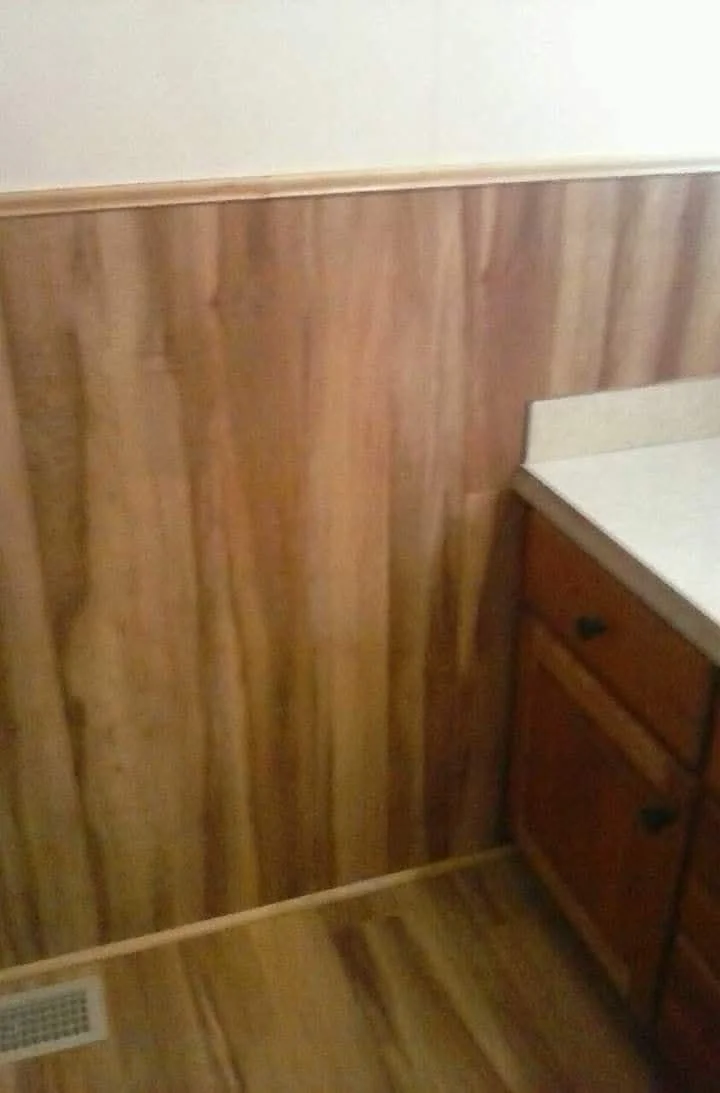
Hardwood flooring
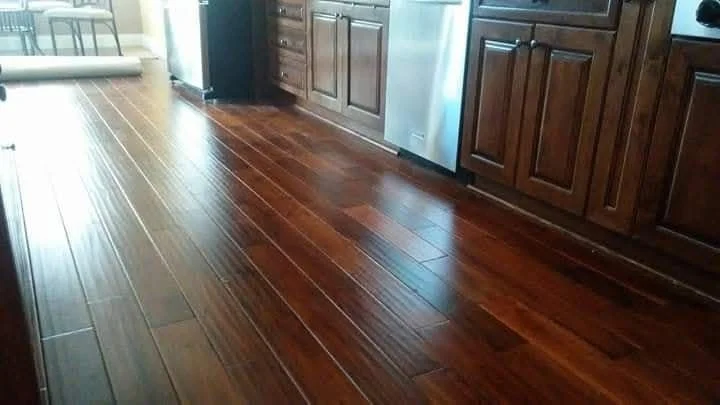
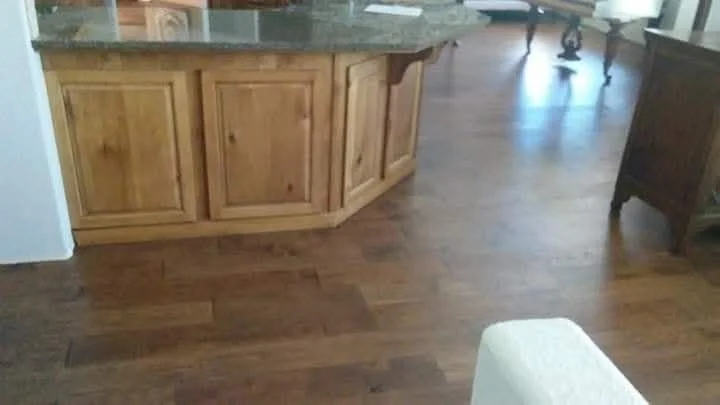
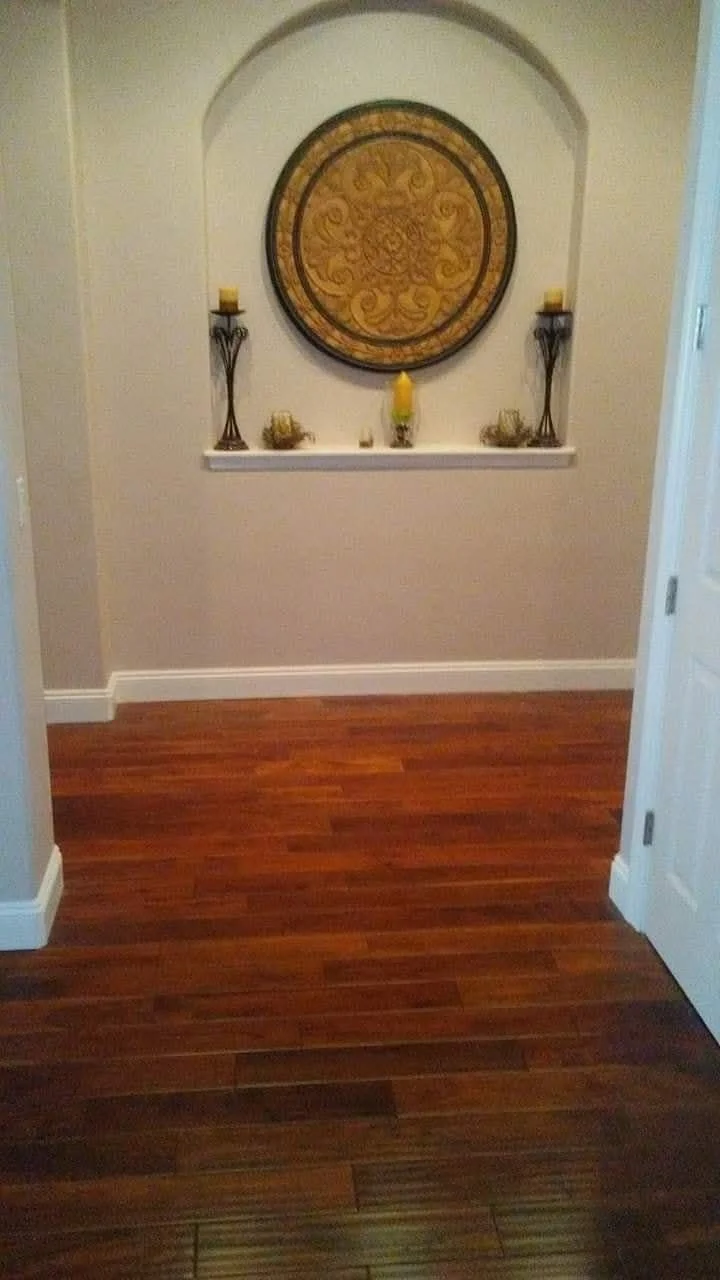
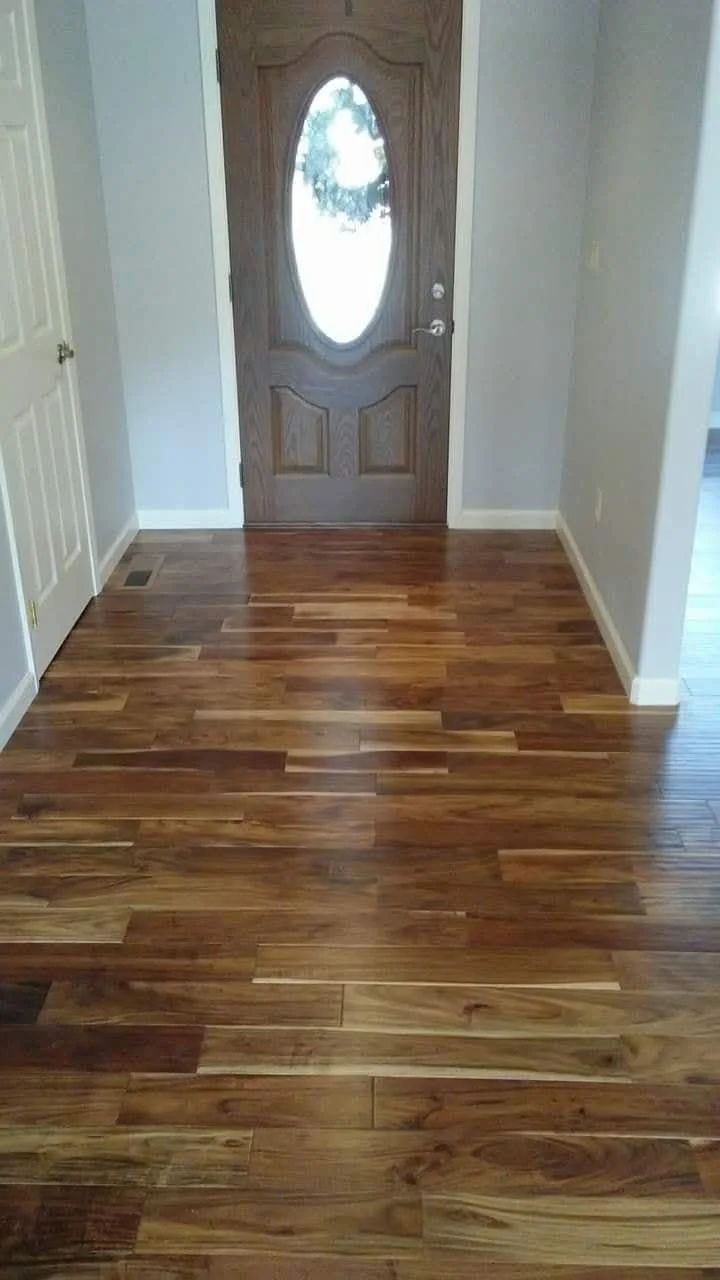
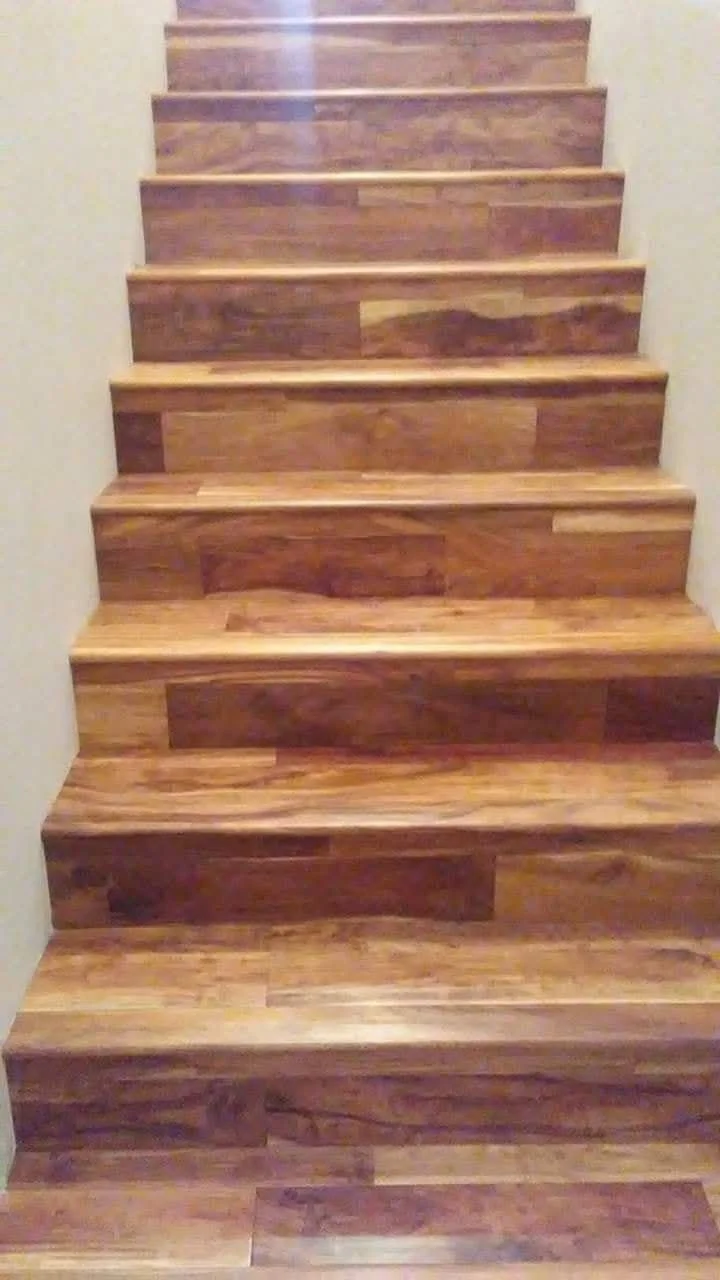
Hardwood is a natural wood floor with a look and feel people want in living rooms, dining rooms, kitchens, entries, and on stairs. Because wood moves with changes in humidity, it is usually not the first choice for bathrooms, laundry rooms, or other spaces that stay wet — LVP or tile is often the better product there. We’ll look at the rooms during the estimate and help you decide where hardwood belongs and where another floor makes more sense.
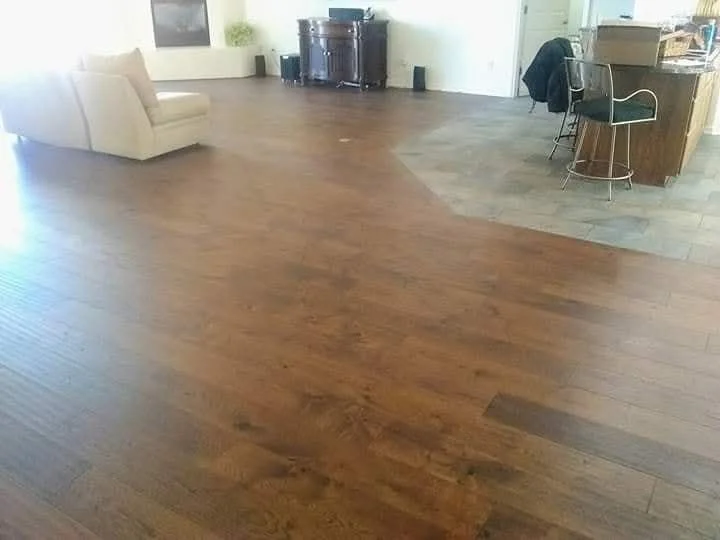
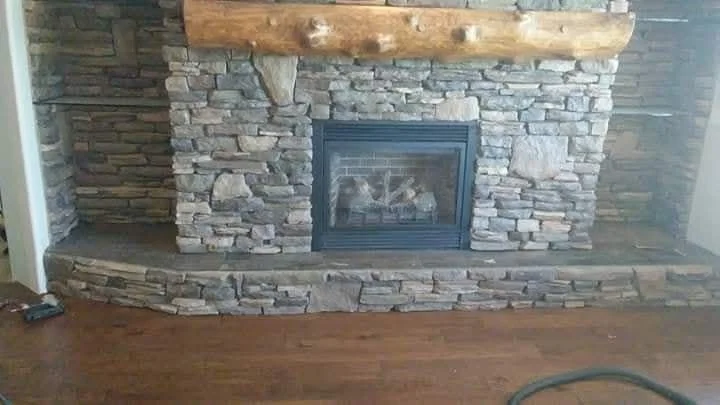
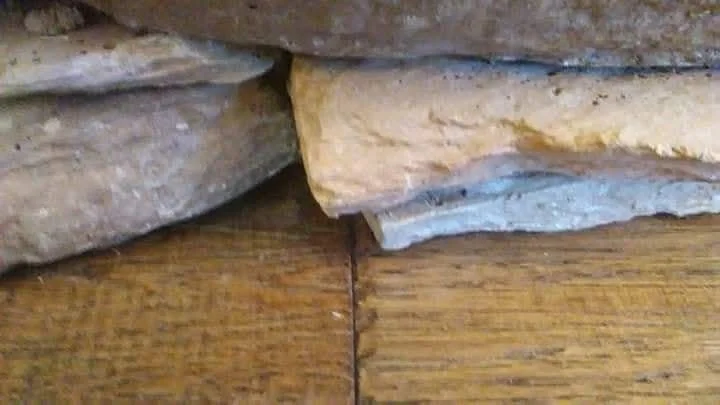
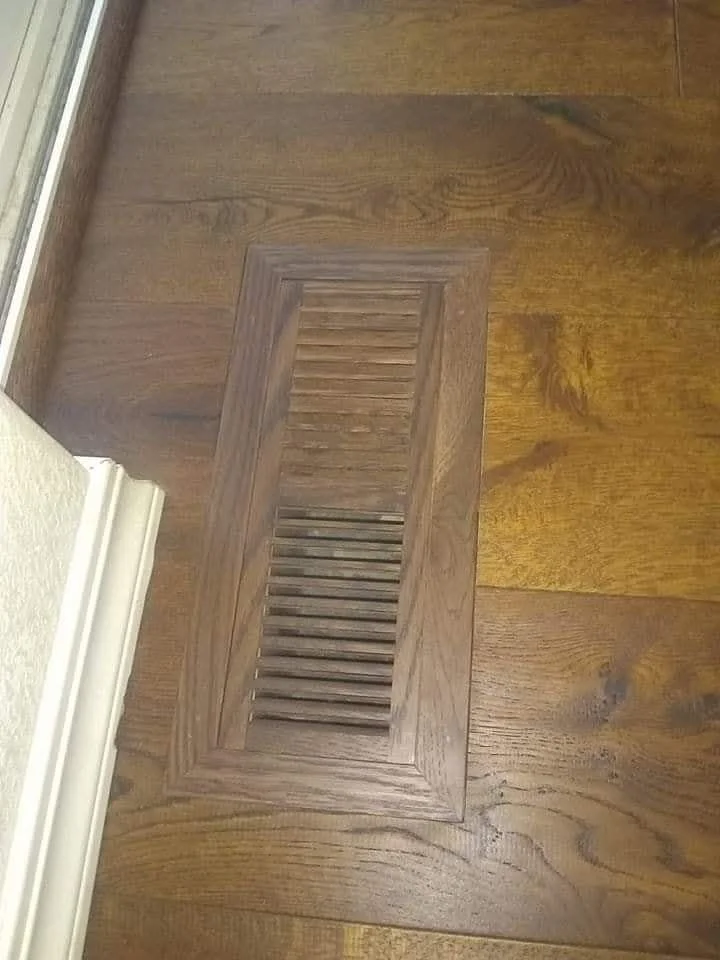
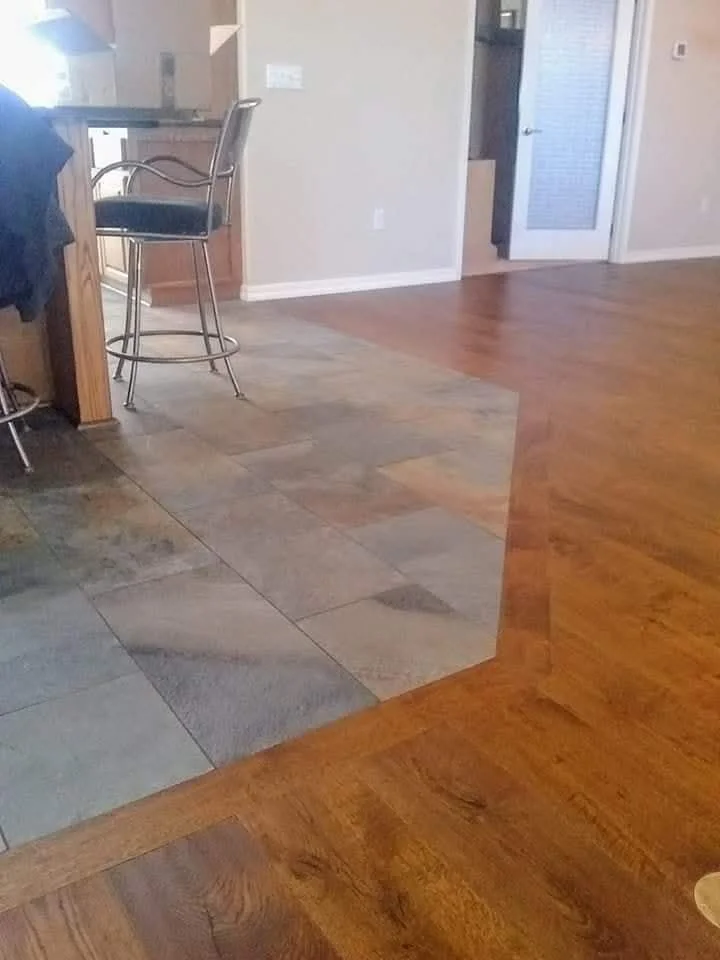
We also handle the details that make a hardwood floor look finished: flooring that meets or flows around a tiled kitchen, tile inlays flush-mount wood floor vents, floors scribed to a fireplace or other built-ins, and stair treads and risers. If you’re remodeling a kitchen or bathroom in tile and want hardwood in the adjoining rooms, we can plan both as one project.
Commercial carpet tile
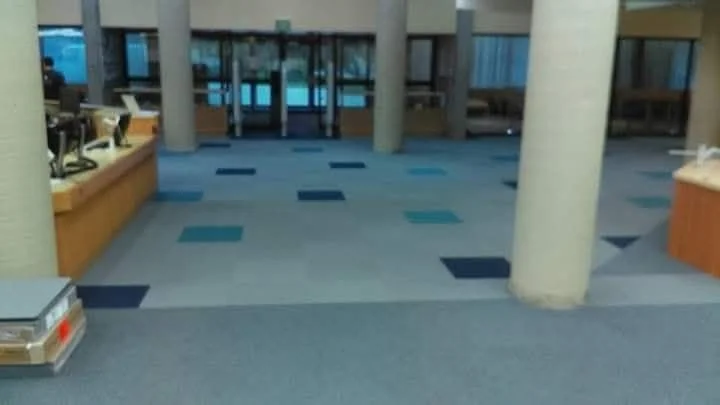
We also install commercial carpet tile for offices, lobbies, and other commercial spaces. Carpet tile goes down in modular squares, so patterns and accent colors can be laid into the floor, and damaged or stained tiles can be swapped out later without replacing the whole floor. Like any floor, it depends on a clean, flat substrate, and we’ll go over prep and layout with you before the job starts.
Subfloor prep and leveling
The floor you see is only as good as what’s underneath it. Uneven or soft subfloors show through LVP, laminate, and hardwood as gaps, movement, or a hollow feel, and they can cause joints to fail over time. During the site visit we’ll look at the existing floor, check for level and soundness, and tell you what prep the room needs before new planks go down. Depending on the room, prep can include taking up the old floor, patching and sanding the subfloor, repairing or replacing damaged subfloor, dry rot repair, and self-leveling underlayment (SLU) to flatten low spots. If old flooring has to come out first, dustless demo is available on request.
Tile in wet areas, plank in the rest of the house
A lot of projects work best with both. Tile is still the right choice for showers and other wet areas, and it pairs well with heated floors in a bathroom. LVP, laminate, or hardwood can then carry the wood look into the hall, kitchen, or living room. We can plan the tile and the wood or plank floor as one project so the heights, layout, and transitions make sense together.
Transitions between tile and a wood or plank floor are a detail people notice every day. We’ll plan the meeting point — at a bathroom door or around a tiled kitchen, for example — so the two floors meet cleanly and the change in height is handled with the right trim, not a trip edge. If you’re also planning a shower or a full bathroom remodel, we can look at the wet area and the adjoining floors on the same visit. See our shower remodel page, or our bathroom remodeling page.
How we work
After an on-site visit you get a written estimate before anything is torn out or ordered. We’ll measure the space, look at the existing floor, and go over the product, layout, prep, and transitions. If you’re choosing between LVP, laminate, hardwood, and tile, we’ll help you match the material to the room instead of treating every floor the same.
Frequently asked questions
What’s the difference between LVP, laminate, and hardwood?
LVP is a waterproof vinyl plank, which makes it a better fit for kitchens, bathrooms, basements, mudrooms, and other rooms that see water. Laminate is a wood-look floor better suited to drier rooms. Hardwood is real wood, with a natural look and feel that works well in living areas, kitchens, entries, and on stairs; because wood moves with humidity, it is usually not the first choice for wet rooms. All of them need a flat, sound subfloor and careful transitions. We’ll help you choose during the estimate.
Is LVP a good choice for bathrooms and kitchens?
Yes. LVP is a common, practical choice for those rooms because the planks are waterproof and easy to clean. It is not a substitute for a tiled shower. If the project includes a shower or a bathroom floor you want heated, we can plan tile in the wet area and LVP, laminate, or hardwood in the adjoining rooms.
Do you still install tile, or only vinyl, laminate, and hardwood now?
We still install tile — showers, bathroom remodels, tile floors, backsplashes, and the rest of our usual work. LVP, laminate, and hardwood are an addition, not a replacement. If part of the house is better in tile and part is better in wood or plank, we can plan both.
What kind of prep does my floor need?
It depends on what’s already down and how flat and solid the subfloor is. Some rooms need only light patching and sanding; others need the old floor removed, subfloor or dry rot repair, or self-leveling underlayment before new planks go down. We’ll look at that on the site visit and put the prep in the written estimate, so you’re not surprised later.
Can you install LVP, laminate, or hardwood next to existing or new tile?
Yes. Matching the floor heights and using the right transition piece is part of the job. We can also plan hardwood that flows around a tiled kitchen, or a tile inlay framed in the wood, when that fits the project. If you’re putting in a new tile shower or bathroom floor and want LVP, laminate, or hardwood in the rest of the house, we can plan those meeting points together.
Do you offer free estimates? Where do you work?
Yes. Call or text 541-281-5566, or email tileoregon541@gmail.com. We serve Klamath Falls and the Klamath Basin, including Chiloquin, Keno, Merrill, Malin, and Bonanza. Hours are Monday–Friday, 7 AM–5 PM.
Ready for a free estimate?
Call or text 541-281-5566, or email tileoregon541@gmail.com. Send a few photos if you have them, and we’ll walk the space with you.